The right floor over underfloor heating — proven, not guessed
Underfloor heating turns your floor into part of the heating system. The wrong floor blocks the warmth, drives up your bill or cracks over a Dutch winter. We help you pick one that passes heat efficiently, stays stable and feels right underfoot — with the numbers that actually decide it.
- Suitable for UFH, verified
- R-value in range
- ≤ 35°C heat-pump ready
- Moisture-tested subfloor
The numbers that decide your floor
Choosing a floor for underfloor heating is not about looks first. Two measurements do most of the work, and a couple of habits protect the rest.
Your floor is now part of the heating system
With a radiator, the floor is just something you walk on. With underfloor heating, every bit of warmth has to travel up through the floor before it reaches the room. That single fact changes how you should choose.
A floor with low thermal resistance passes heat through quickly: rooms warm up faster, the system can run at a cooler, cheaper temperature, and a heat pump works at its efficient best. A thick or insulating floor does the opposite — it makes the system work harder for less comfort.
Stability is the second half. Heated floors go through warm and cool cycles all winter, and materials that move too much show gaps, creaks or cupping. The good news: for every room and budget there is a floor that handles this well. The topics below show you which.

How heat reaches your feet
Warm water runs through pipes buried in the screed. The heat rises through the screed, the adhesive and finally your floor. Every layer either helps or resists it.
- Finish floorThe layer you feel. Its material and thickness set most of the thermal resistance.
R ≤ 0.15 m²K/W - Adhesive bondGluing directly to the screed removes the air gap, so heat transfers without a slow insulating layer.
- Screed & pipesWarm water at a low flow temperature. Good contact between screed and floor is what makes it efficient.
≤ 35 °C - InsulationSits below the pipes so heat is pushed up into the room, not down into the structure.
Where do you want to start?
Every topic is a self-contained guide library. Jump into the one that matches your project, from the floor itself down to the subfloor and the heating system.
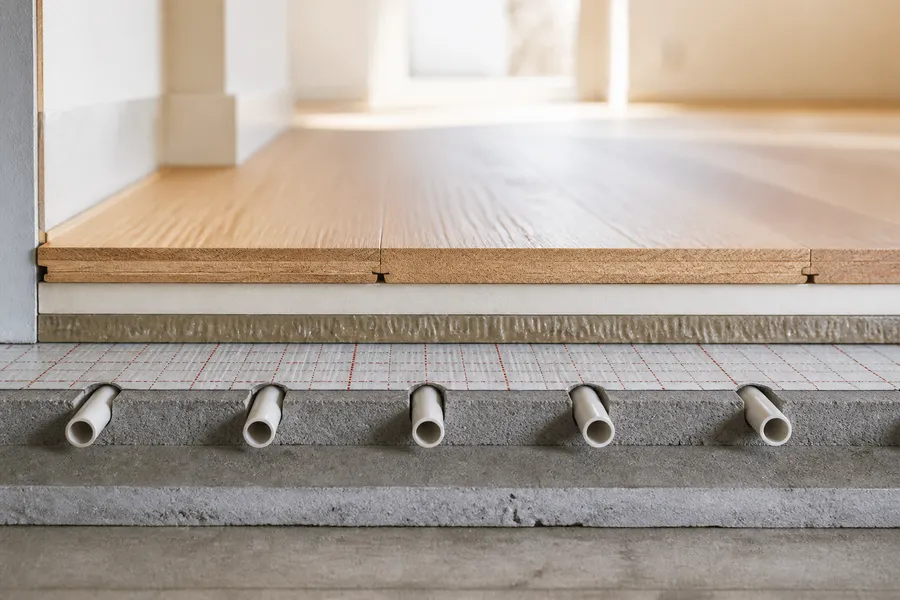 Wood on underfloor heating13 guides · Open →
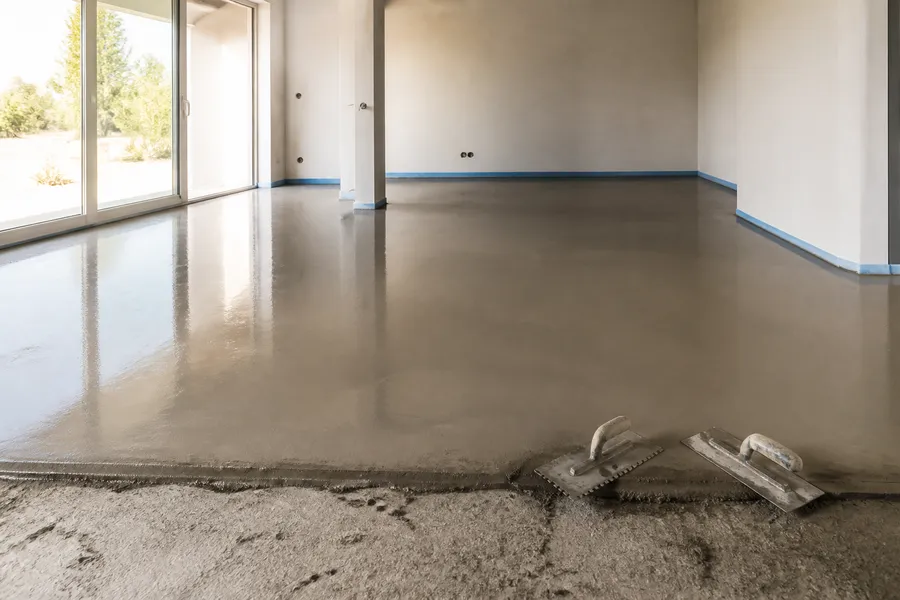 Installation and subfloor13 guides · Open →
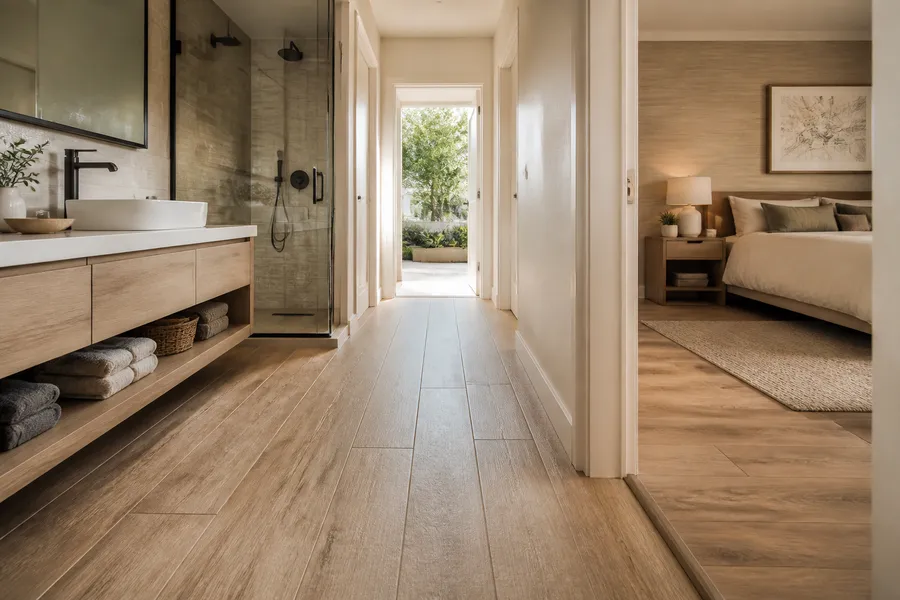 Vinyl and alternatives13 guides · Open →
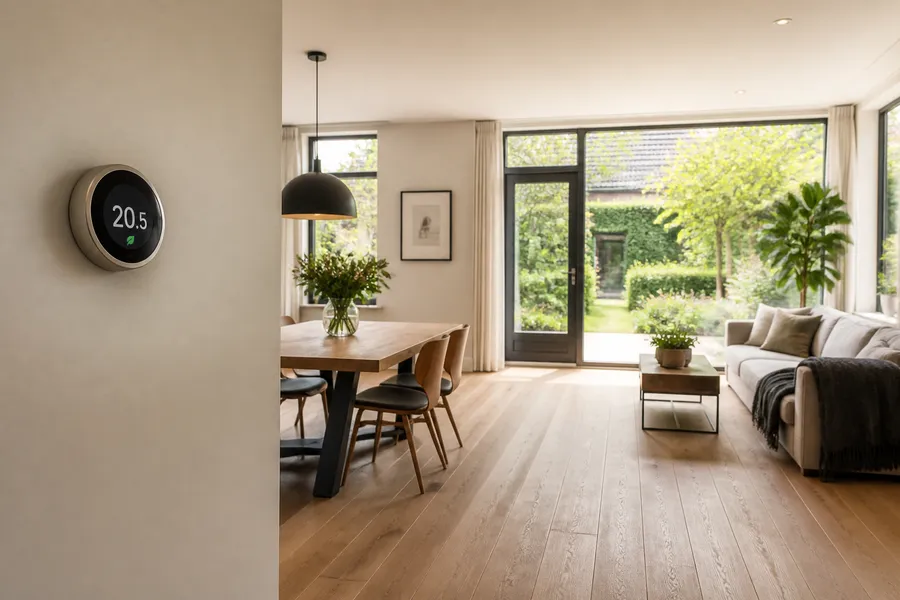 Heat pumps and advice13 guides · Open →
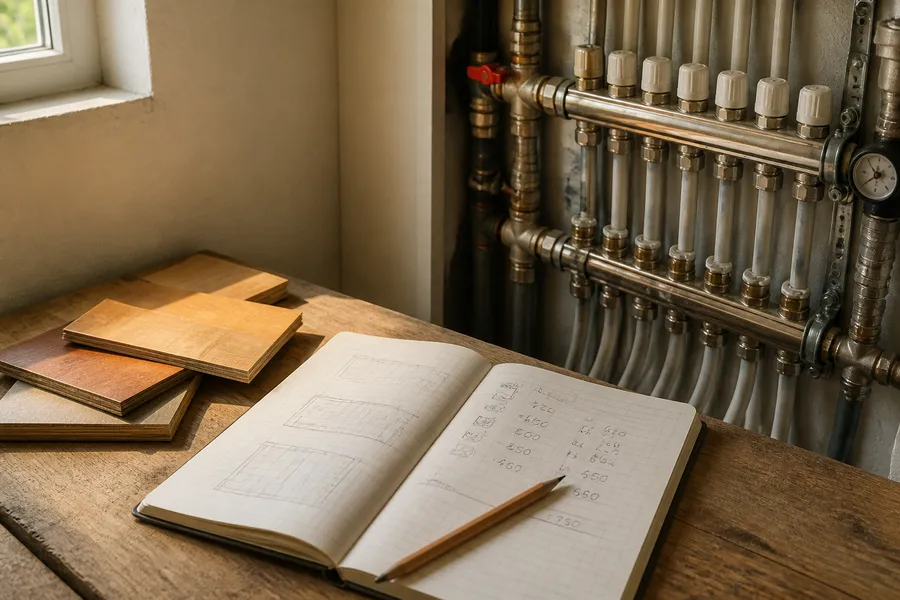 Costs and prices12 guides · Open →
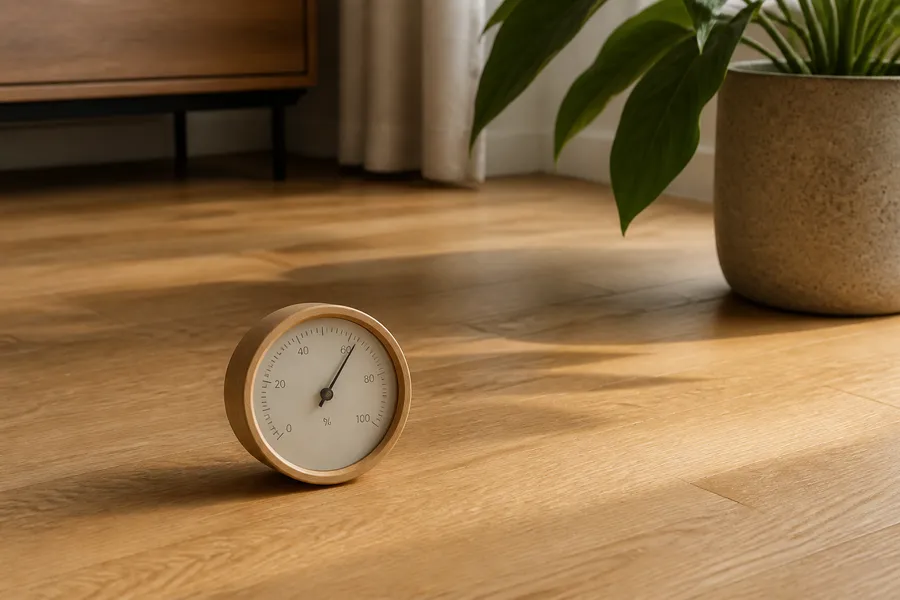 Maintenance and problems12 guides · Open →
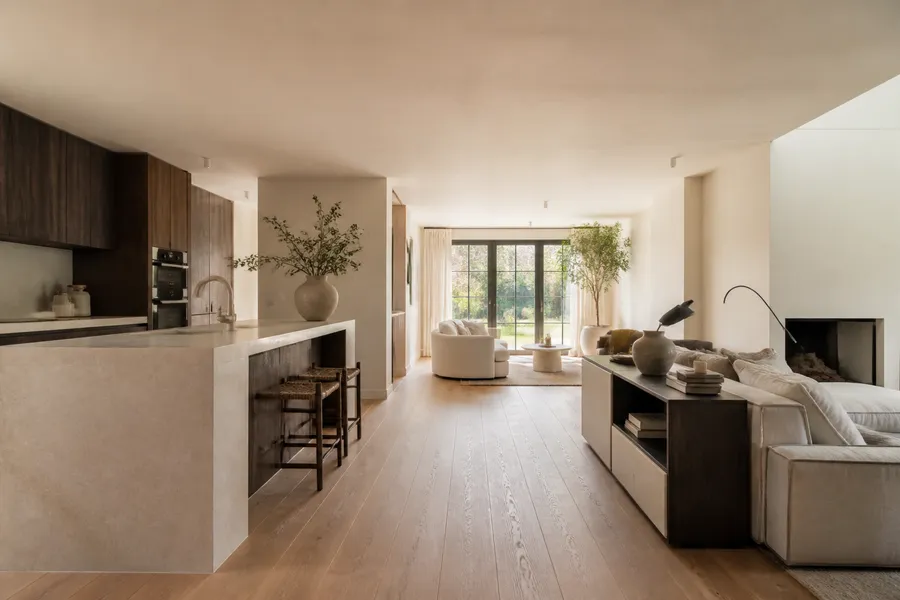 Homes and rooms12 guides · Open →
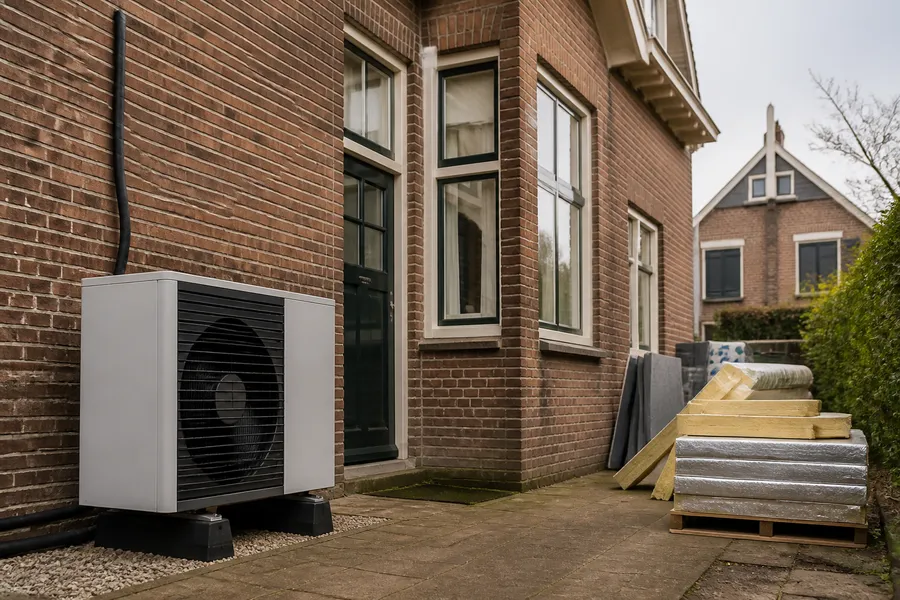 Energy and regulations12 guides · Open →
The pre-installation checklist
Whatever floor you fall in love with, run it past these six points first. Tick every box and you are very unlikely to have problems later.
- 01Suitable for underfloor heatingThe manufacturer states it clearly, in writing, for your exact product.
- 02Thermal resistance in rangeFloor plus underlay stay comfortably under the R-value your installer gives you.
- 03Subfloor moisture testedMoisture in the screed is measured, not guessed, before installation starts.
- 04Flat and clean baseThe subfloor is levelled so the floor makes full contact and heat flows evenly.
- 05A proper heat up protocolThe system is warmed up slowly, step by step, before and after installation.
- 06Room by room thinkingWet rooms, bedrooms and living areas each get the floor that suits them best.
Professional help makes this list easy. Martijn de Wit Vloeren, for example, has advised on and installed floors over underfloor heating in the Netherlands since 1995, with the heat up protocol as a standard part of every job. Whoever you work with, ask how they handle each point above.
Pick a floor that makes every winter morning better
Every guide here has one goal: helping you choose a floor that makes your heated home feel wonderful and stays that way for decades. Dreaming of real wood? Start there. Renovating with a heat pump? The heat-pump section explains what a low-temperature system asks of a floor. Budget minded? Compare vinyl, tiles and laminate side by side. A well chosen floor over underfloor heating is worth ten minutes of reading.